GENERAL TIRES QUESTIONS

What type of tires do you offer?

We offer a full range of tires for industrial and construction equipment, including:

  • Pneumatic Tires

  • Solid (Cushion) Tires

  • Solid Pneumatic Tires

  • Foam-Filled Tires

  • Wheeled Construction Equipment Tires

  • & More!

What equipment uses these tires?

We provide tires for:

  • Forklifts

  • Skid Steers

  • Wheel Loaders

  • Any Wheeled Construction and Industrial Equipment

If you're unsure what tire your machine uses or what would be best for your application, our team can help.

What tire brands do you carry?

We consistently have Michelin/Camso and Maxam tires in-stock. If we don't have what you're looking for, we have a variety of suppliers that we can reach out to and find what you're looking for.

TIRE SELECTION & APPLICATION

How do I know which tire is right for my application?

Choosing the right tire depends on:

  • Surface type (indoor concrete, asphalt, gravel, dirt, mud, snow, etc.)

  • Load capacity requirements

  • Operating environment (warehouse, jobsite, yard)

  • Traction and durability needs

Our tire specialists will help you select the best option to maximize uptime and reduce wear.

What's the difference between pneumatic and solid tires?

  • Pneumatic (air filled) tires provide better shock absorption and traction for outdoor and uneven surfaces.

  • Solid tires eliminate flat tires and are ideal for indoor or debris-heavy environments.

Each has advantages - we'll help you decide what fits your operation best.

Do you offer non-marking tires?

Yes. We carry non-marking tire options, commonly used in warehouses, food processing facilities, and other indoor environments where floor cleanliness is critical.

SIZING, WEAR & REPLACEMENT

How do I know when it's time to replace my tires?

Common signs include:

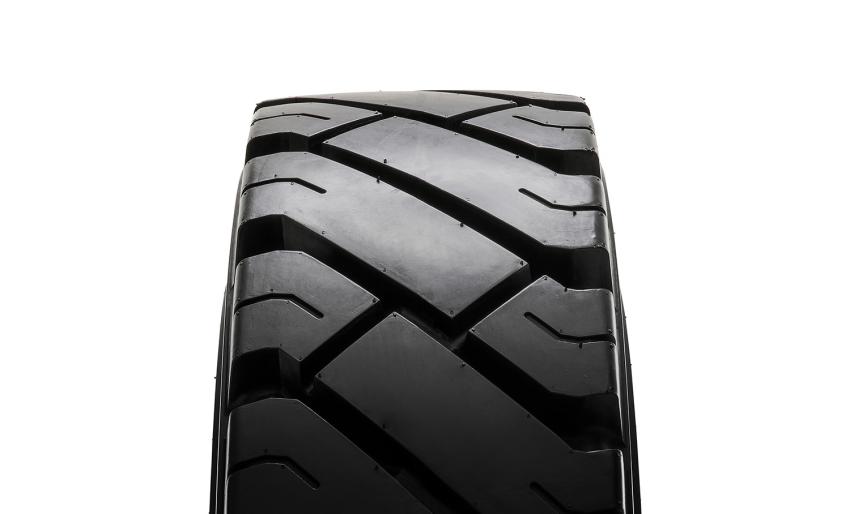
  • Excessive tread wear

  • Chunking or cracking

  • Reduced traction

  • Uneven wear patterns

  • Frequent flats

Running worn tires can impact safety, performance, and fuel efficiency.

Can you help identify my tire size?

Absolutely. Tire size can usually be found on the sidewall. If it's worn or hard to read, provide your:

  • Equipment make & model

  • Serial number

Do tire choices affect machine capacity?

Yes. Tire type and size can impact:

  • Load capacity

  • Stability

  • Ground clearance

INSTALLATION & SERVICE

Do you install tires?

Yes.

Do you offer on-site tire services?

Yes. Our field service technicians can perform tire service at your facility or jobsite, depending on equipment type and location.

Can you help with seasonal or specialty tire needs?

Absolutely. We can recommend tires for:

  • Snow and winter conditions

  • Mud and soft terrain

  • Heavy-duty or high-wear applications

AVAILABILITY, SHIPPING & SUPPORT

Do you stock tires locally?

We stock many common tire sizes and styles across our branches. If a tire is not in stock, we can quickly source it through our supplier network.

How fast can I get tires?

Many tires are available same-day or next-day, depending on size and location. Specialty tires may require additional lead time.

Do tires come with a warranty?

We will determine whether the tire had a defect and we will warranty the tire out within 2 months.
GENERAL TRACK QUESTIONS

What types of tracks do you offer?

We offer a wide range of track options, including:

  • Rubber tracks

  • Steel tracks

  • Over-the-tire tracks

  • Specialty and application-specific tracks

Our team can help determine the best track type for your equipment and jobsite conditions.

What equipment uses tracks?

We provide tracks for:

  • Compact track loaders

  • Skid steers

  • Mini and compact excavators

  • Specialty tracked equipment

If you’re unsure which tracks your machine requires, we can help identify them.

Do you offer OEM and aftermarket tracks?

Yes. We offer OEM-recommended tracks as well as high-quality aftermarket options, allowing you to balance performance, durability, and budget.

TRACK SELECTION & APPLICATION

What’s the difference between rubber and steel tracks?

  • Rubber tracks are ideal for applications that require minimal ground disturbance, quieter operation, and use on finished surfaces.

  • Steel tracks provide maximum durability and traction in harsh, rocky, or abrasive environments.

We’ll help you choose the best option for your operating conditions.

How do I choose the right tracks for my machine?

Track selection depends on:

  • Equipment make & model

  • Operating terrain (mud, snow, rock, pavement)

  • Weight and load requirements

  • Jobsite conditions and surface sensitivity

Our experts ensure correct fitment and performance.

Do different track patterns affect performance?

Yes. Track tread patterns can impact:

  • Traction

  • Ride comfort

  • Longevity

  • Surface impact

We can recommend tread styles based on your typical applications.

WEAR, MAINTENANCE & LIFESPAN

How long do tracks typically last?

Track lifespan varies based on:

  • Terrain

  • Operator habits

  • Maintenance

  • Application type

With proper care, rubber tracks can last 1,000–2,000 hours, while steel tracks often last longer in heavy-duty environments.

What are signs that tracks need to be replaced?

Common signs include:

  • Cracking or chunking

  • Missing lugs

  • Excessive stretching

  • Derailment issues

  • Reduced traction

Replacing worn tracks early can help prevent damage to undercarriage components.

How can I extend the life of my tracks?

Best practices include:

  • Keeping tracks properly tensioned

  • Avoiding excessive spinning

  • Cleaning debris from the undercarriage

  • Performing regular inspections

Our service team can assist with inspections and adjustments.

FITMENT, INSTALLATION & SERVICE

Can you help identify the correct track size?

Yes. Track size is typically listed as: Width × Pitch × Links

If you don’t have this information, provide:

  • Equipment make & model

  • Serial number

We’ll confirm proper fitment.

Do you install tracks?

Yes. Norlift offers professional track installation, including on-site service for many machines.

Do you provide undercarriage inspections?

Absolutely. We can inspect:

  • Rollers

  • Idlers

  • Sprockets

  • Track tension

This helps prevent premature track wear and unexpected downtime.

AVAILABILITY, SHIPPING & SUPPORT

Do you stock tracks locally?

We stock common track sizes at our branches. If your track is not in stock, we can quickly source it through our trusted suppliers.

How quickly can I get replacement tracks?

Many tracks are available within days, depending on size and brand. Emergency and expedited options may be available.

Do tracks come with a warranty?

Yes. Warranty coverage varies by manufacturer and track type. Our team will walk you through coverage details before purchase.

Cushion Tires

Cushion Tires

Composed of solid rubber and are directly pressed onto the wheel. They sit lower to the ground and offer a smaller turning radius, which provides an advantage in maneuverability. Cushion Tires are primarily suited for indoor or paved applications use as they can struggle on uneven surfaces like gravel.

Pneumatic Tires (Solid)

Pneumatic Tires (Solid)

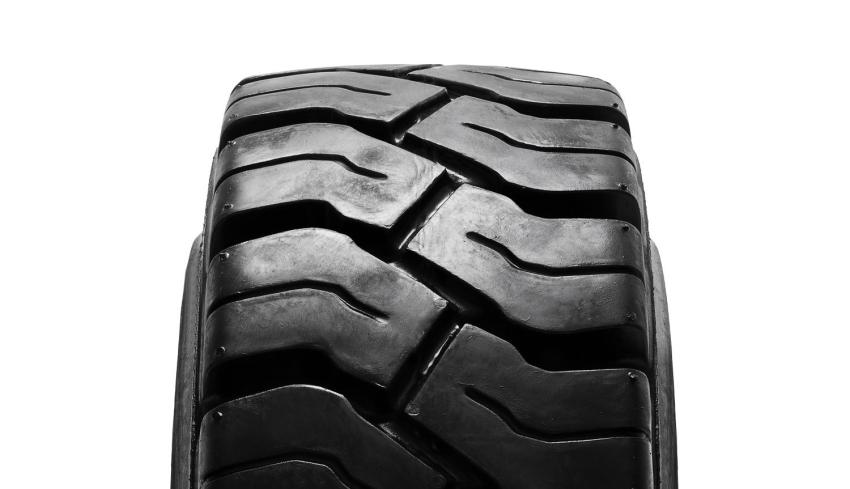
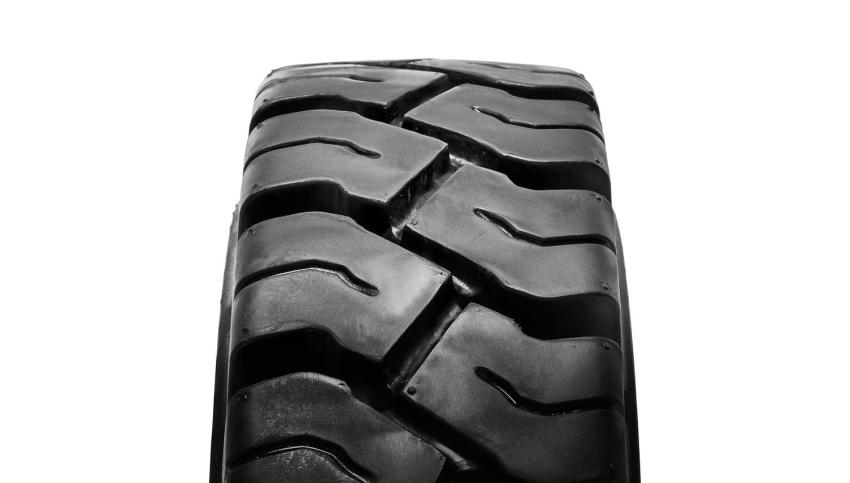
Designed of solid rubber, much like a cushion tire and are the most common tire on the market today. Solid pneumatic tires are commonly used for a combination of indoor and outdoor applications. However, solid pneumatic tires do not offer the same comfortable ride a cushion tire does across paved surfaces. The initial investment is higher, but they are practically indestructible and have a very long life.

Pneumatic Tires (Air Filled)

Pneumatic Tires (Air Filled)

Designed of rubber, but are air filled much like a car or truck tire. They have a deep tread and are made of strong, long-lasting rubber material. These tires are better for rough, outdoor terrain.

Replacing forklift tires often gets put off much longer than it should. If your forklift tires are in less than ideal condition, this can pose significant risks to your operators and equipment. Continuing to run your equipment on tires that need to be replaced can cause costly damage to your forklift, forks, chains or mast; create stability and safety risks.

When replacing forklift tires, it is not safe to replace just one tire. Due to the imbalance between tire heights, having various tire ages it can contribute to stability issues, skidding, and tip-overs. Similar to cars, both tires on one wheel axel should be replaced at the same time to maximize stability.

Here are 3 ways to tell when your forklift tires need replaced:

Image

Image

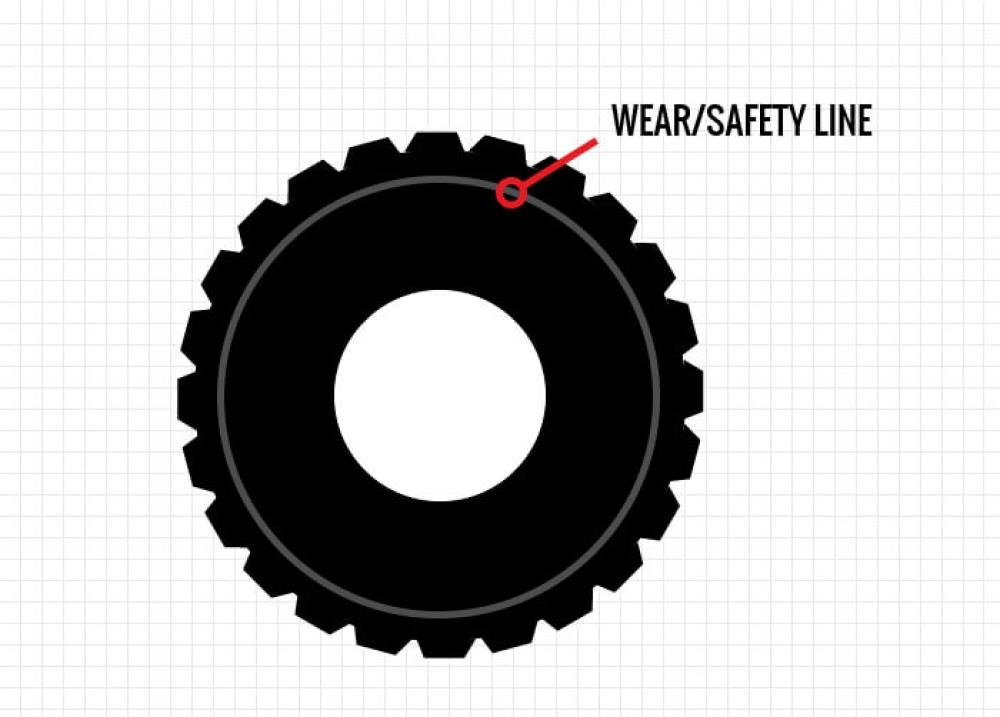
1. Tires worn to the wear line

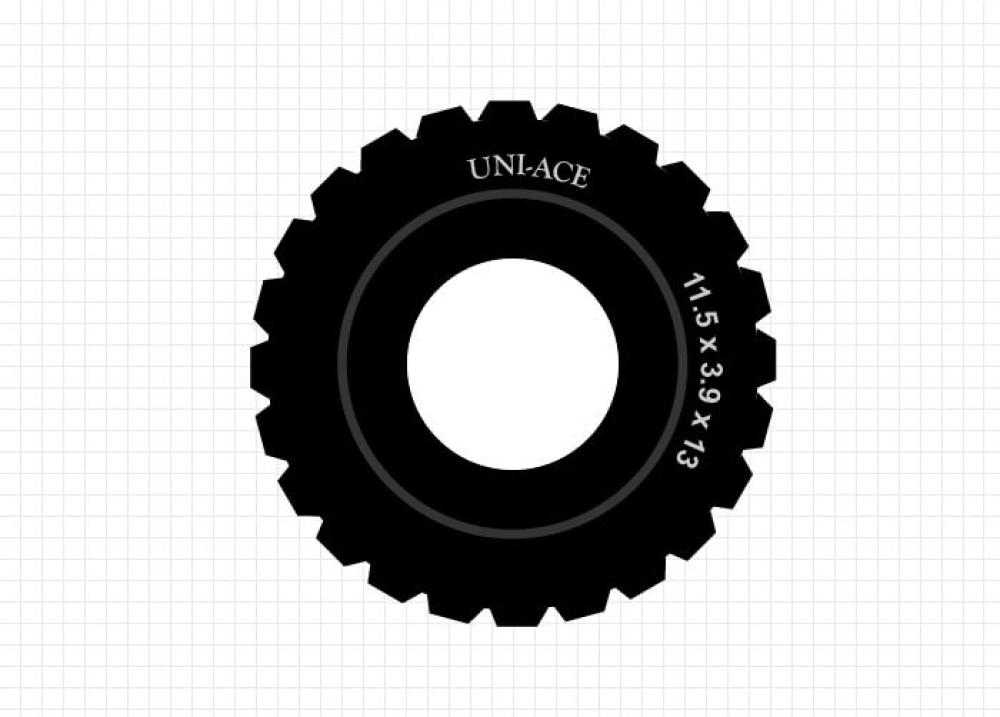
Many pneumatic forklift tires have a wear line or a safety line marked on the tire. Over time, with normal use, the rubber on the tires will wear down. When you notice your forklift tires are getting close to this line, it’s a good idea to contact Norlift to order new tires. For cushion tires, the general rule is to replace your tires when they reach the top of the numbers (see above for an example).

Image

Image

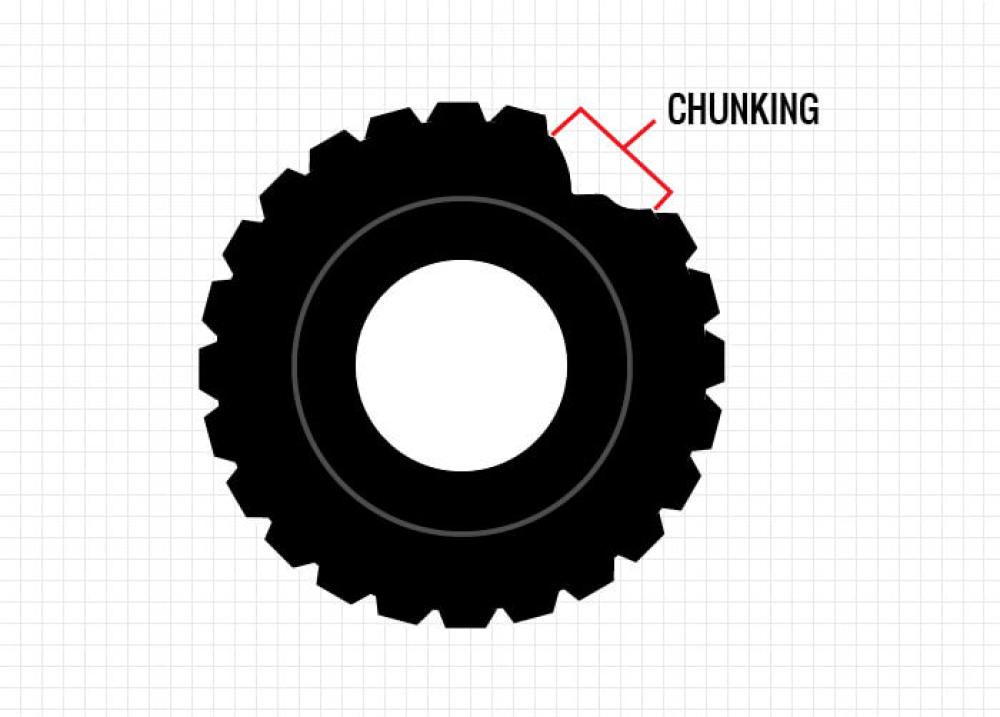
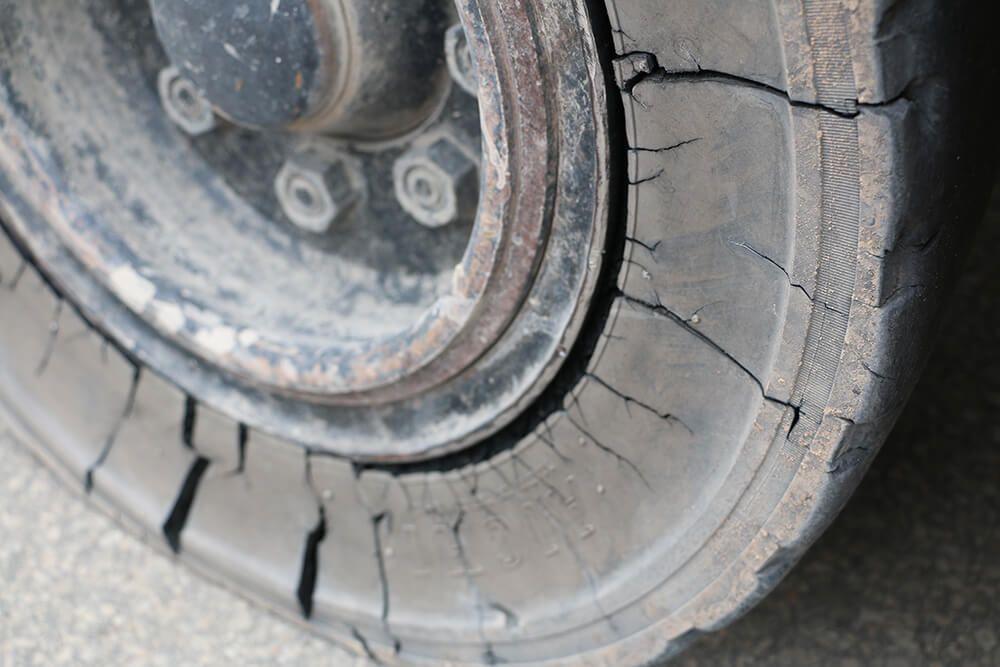
2. Chunking, tearing, or cracking

Any chunking, tearing, or cracking discovered during your visual inspection indicates an immediate need for replacement. Tires showing this type of damage are unsafe to use and the lift truck should not be operated until the affected tire or tires have been replaced.

Image

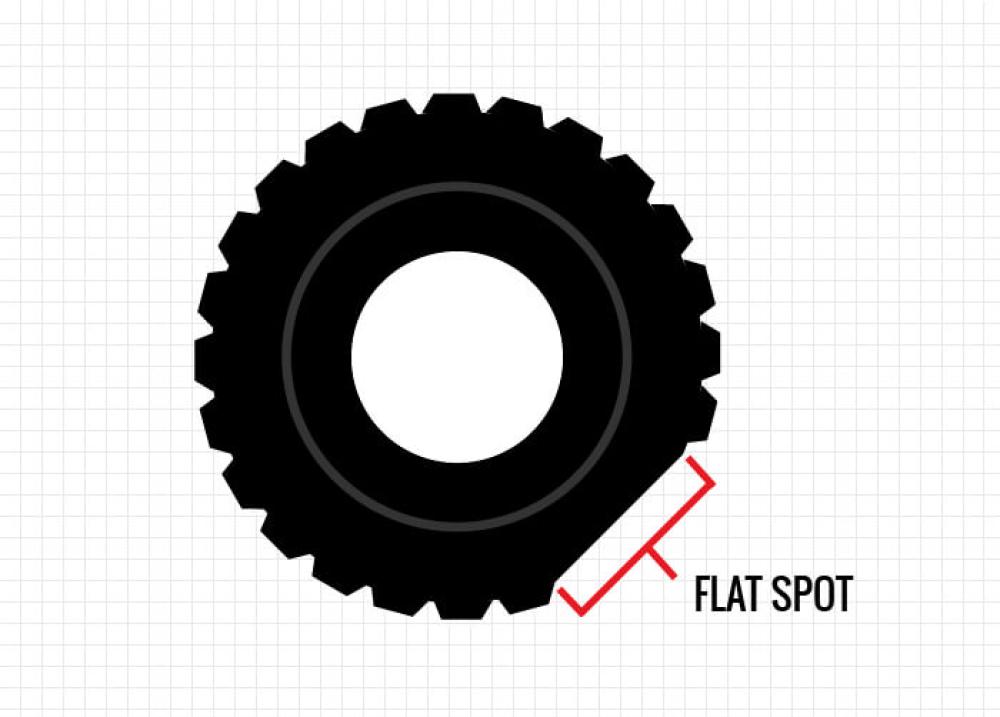
3. Flat spots or uneven wear

Flat spots or uneven wear on your forklift tires often indicate that sharp turns have repeatedly been taken under heavy load or aggressive braking. Forklift tires with flat spots or uneven wear should be replaced and the operators should receive operator safety training.

Whether you're the forklift operator or the plant manager. Having a basic understanding of forklift tires is essential to staying productive and efficient. The basic components of your forklift tires are:

  • Sidewall - shows important tire information like the tire brand, size, tire type, and wear line

  • Tread - Raised rubber that comes in contact with the ground

  • Rim - Metal portion of the wheel that holds the tire in place

Reading Press-On Tire Sizes

Reading Press-On Tire Sizes

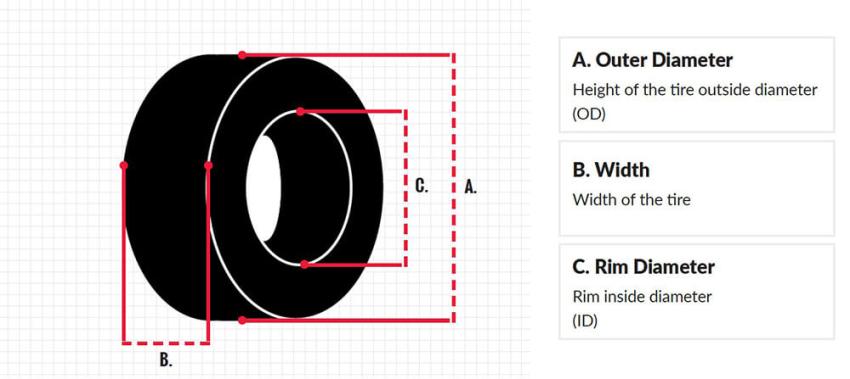
Press-on tire sizes are shown as the Outer Diameter (A) x Width (B) x Rim Diameter (C). An example would be: 16 x 6 x 10.5.

Reading Pneumatic or Solid Tire Sizes

Reading Pneumatic or Solid Tire Sizes

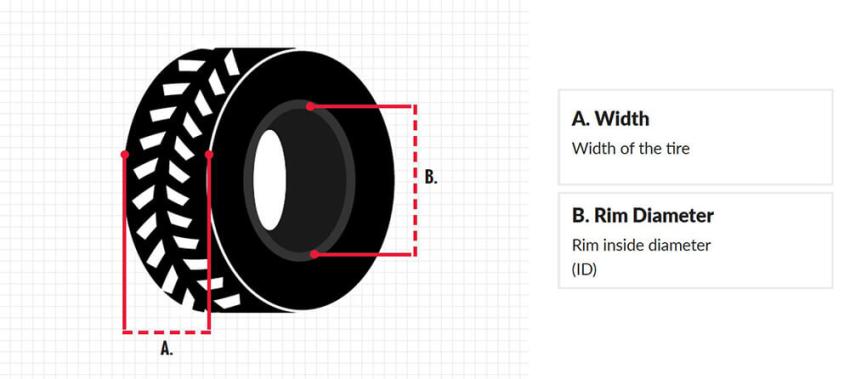
Pneumatic or solid pneumatic tires sizes are noted as the Width (A) x Rim Diameter (B). An example would look like: 6.50 x 10.

Measuring Forklift Tire Sizes

Measuring Forklift Tire Sizes

If you need to measure your forklift tire size grab your average tape measure.

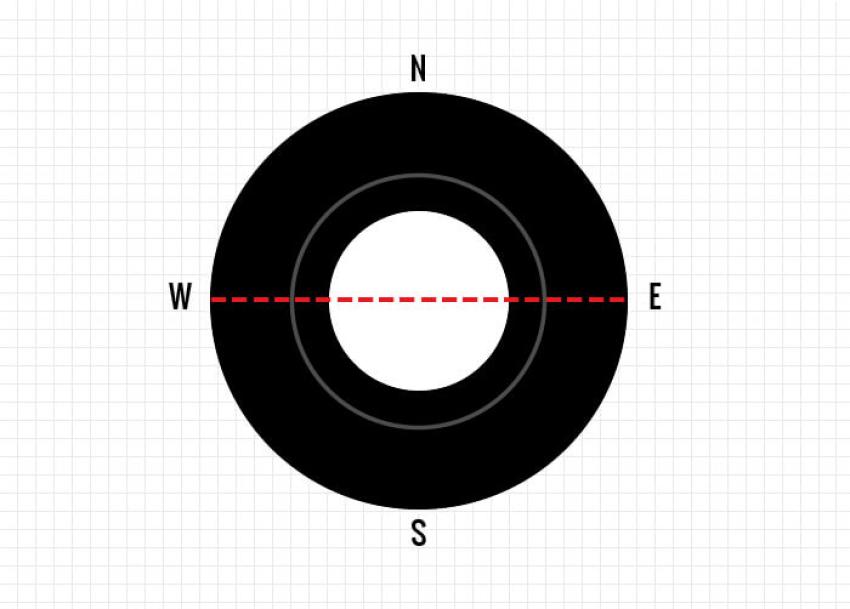
  1. Measure the outer diameter, picture the tire as a compass with north at the top of the tire. Make sure you’re placing the tape measure at the center of the tire and run the tape measure east to west.

  2. Measure the rim diameter, stay in the center of the tire but only extend the tape measure to each edge of the rim.

  3. Measure the width of the tire, simply position the tape measure on the part of the tire that would make contact with the ground and run the tape measure from edge to edge.

Remember, for press-on tires you need to measure the outer diameter, the width of the tire, and the rim diameter. For pneumatics or solid pneumatics measure the width and the rim size.

Contact

Contact

Consignment

Request a Service

×

Norlift Employee Portal

×

Your session will expire in . If you want to reset this timer, please click OK.

Change Your Preferred Location

×

Norlift Employee Portal